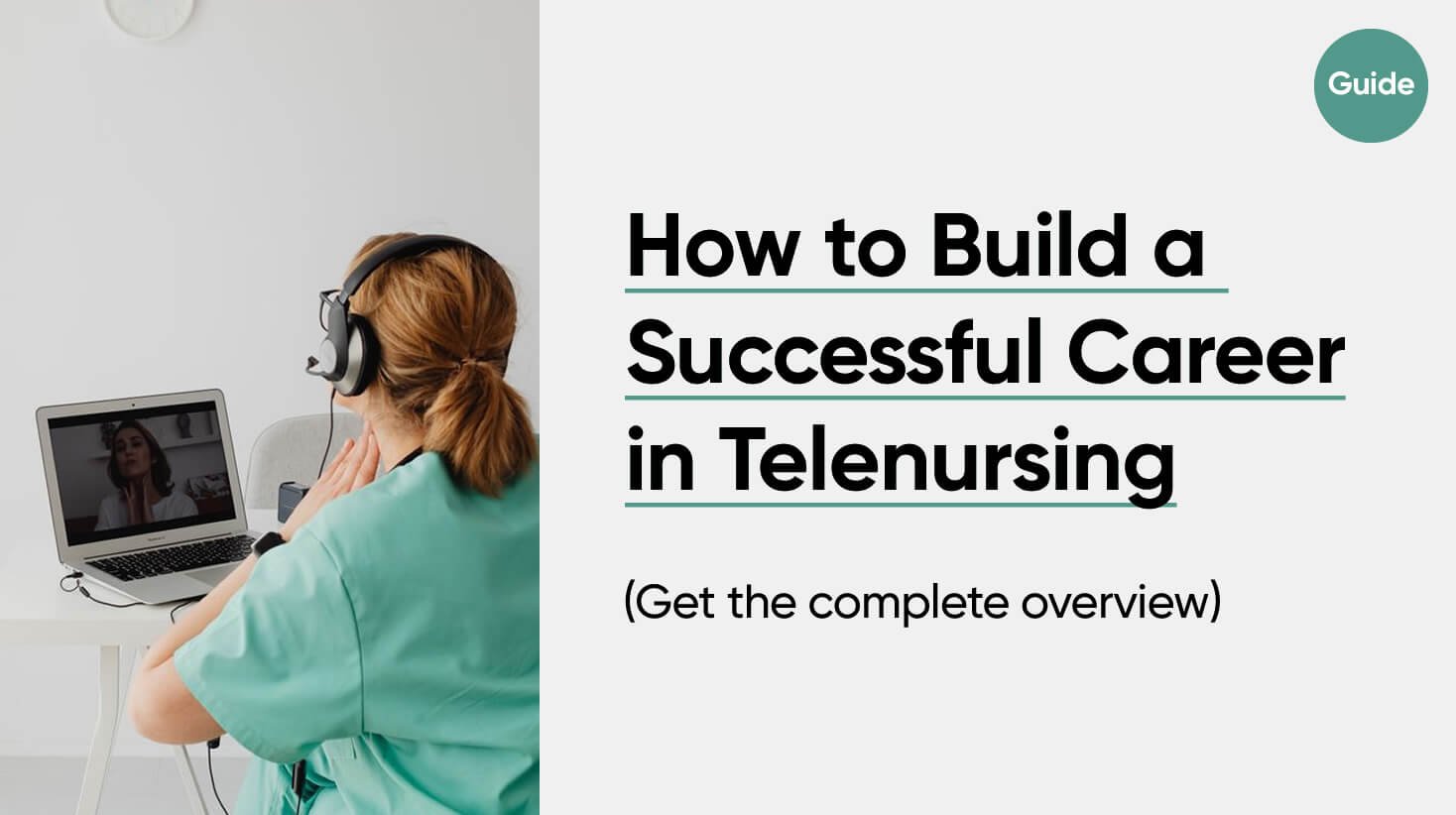
Telehealth has transformed healthcare delivery over the past several years. What began as a convenience has become a core part of modern patient care. As healthcare providers continue expanding virtual services, telenursing has emerged as one of the fastest-growing career paths for registered nurses.
Telenurses assess patients, provide education, coordinate care, and support treatment plans through phone, video, and digital communication platforms. Many nurses are drawn to the field because it offers flexibility, reduced physical strain, and opportunities to work in specialized areas.
However, remote nursing is not simply bedside nursing performed from home. Healthcare employers increasingly view telehealth as a long-term care delivery model rather than a temporary solution.
As a result, organizations are seeking nurses who can combine clinical expertise, digital fluency, and regulatory knowledge. Understanding these evolving expectations can help aspiring telenurses position themselves for long-term career growth in a rapidly expanding field.
QUICK ANSWER
To build a successful telenursing career in 2026, nurses need more than an active RN licence. Employers are looking for candidates who combine clinical experience, remote communication skills, digital confidence and a clear understanding of multi-state licensing rules.
To improve your chances of securing a telenursing role:
Gain at least two to three years of bedside nursing experience
Build strong assessment, triage and patient communication skills
Understand whether you need a single-state or multi-state nursing licence
Develop confidence using EHR systems, telehealth platforms and remote monitoring tools
Consider certifications linked to ambulatory care, case management or managed care
Tailor your CV for remote nursing roles by highlighting clinical judgement, documentation accuracy and care coordination
Research state licensing rules before applying for roles that involve patients in different locations
Why Telenursing Is Growing in 2026
Several healthcare trends continue to drive demand for telenurses. An aging population requires ongoing care management for chronic conditions. At the same time, healthcare providers face staffing shortages across many regions. Telehealth helps organizations extend care to more patients while reducing barriers related to distance and transportation.
Advances in remote patient monitoring have also expanded opportunities for nurses. Today, telenurses support patients with diabetes, heart disease, hypertension, and other chronic illnesses without requiring frequent in-person visits.
The profession is also becoming more specialized. Many healthcare organizations now hire dedicated telehealth triage nurses, care coordinators, utilization review specialists, and remote patient monitoring nurses. This specialization allows nurses to pursue career paths that align with their interests while developing expertise in growing areas of virtual care.
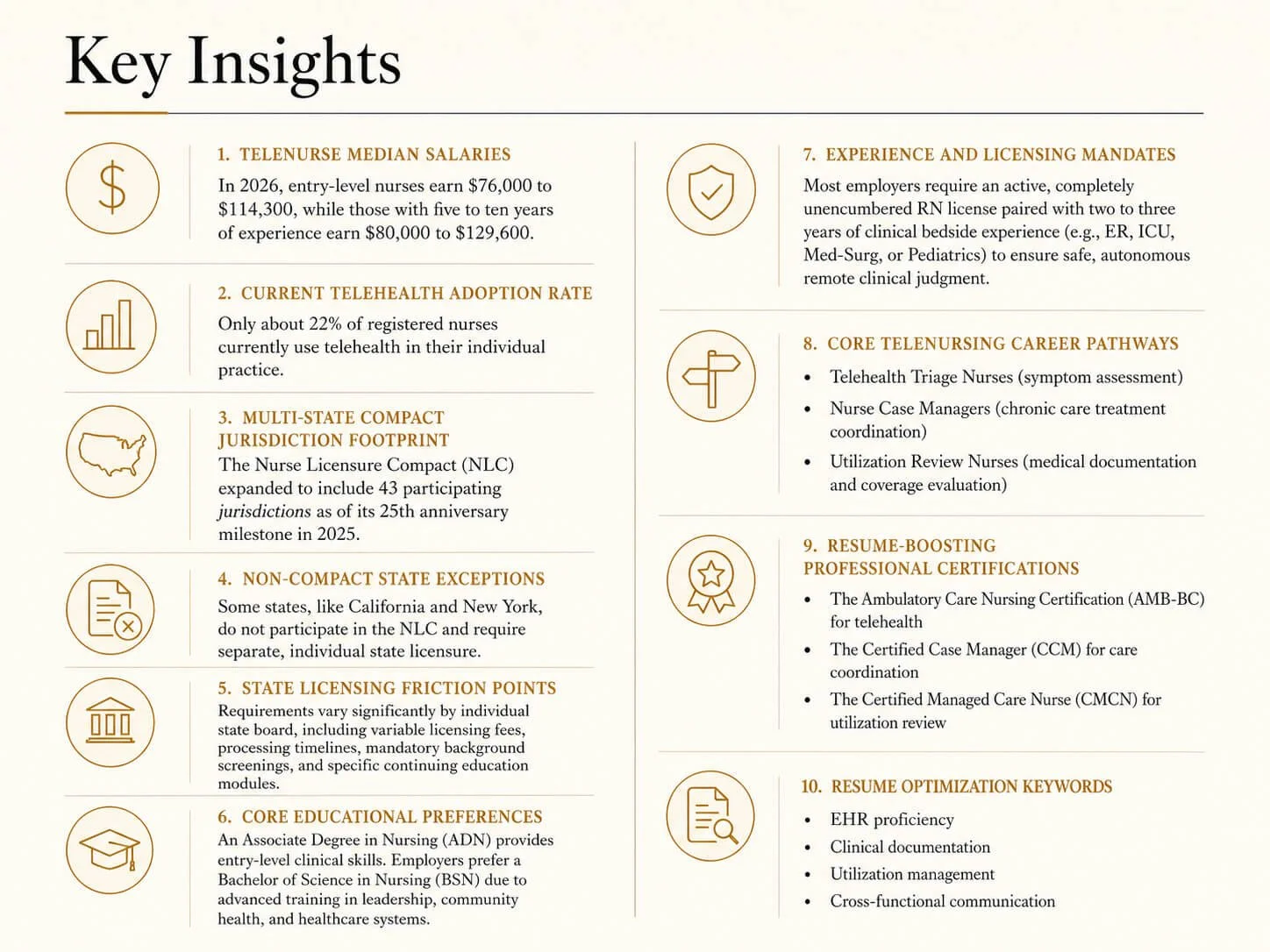
USA Today notes that, unlike many remote careers, where pay is closely tied to seniority, remote nursing rewards clinical expertise. In 2026, nurses with five to ten years of experience can earn $80,000–$129,600. However, entry-level professionals can still earn $76,000–$114,300. Employers are investing in healthcare knowledge and sound judgment rather than just filling schedules.
Healthcare researchers Dr. Saif Khairat and Dr. Bonnie Clipper noted that virtual nursing has emerged as a response to workforce shortages, burnout, and rising patient demand. They described virtual nursing as a strategy that can support bedside staff while helping healthcare organizations maintain care quality during ongoing staffing challenges.
Earn the Right Nursing Credentials
Every telenursing career begins with a nursing education and professional licensure. Most nurses enter the profession through either an Associate Degree in Nursing (ADN) or a Bachelor of Science in Nursing (BSN) program.
An ADN provides the foundational clinical skills needed to enter practice. However, many healthcare organizations prefer BSN-prepared nurses because they receive additional training in leadership, community health, and healthcare systems.
After completing an accredited nursing program, candidates must pass the NCLEX-RN examination. Successful completion allows them to obtain a Registered Nurse license through their state board of nursing.
Remote employers typically require an active and unencumbered RN license. Any disciplinary restrictions or unresolved licensing issues can limit employment opportunities. Maintaining good standing with licensing boards is essential throughout a telenursing career.
Understand Multi-State Licensing Requirements
Nurse Licensure Compact (NLC)
Licensure plays a major role in telehealth careers. Multi-state licensure has become an increasingly important career advantage. Nurses who can legally practice in multiple jurisdictions often gain access to a larger pool of remote opportunities.
Unlike traditional nursing positions, telehealth services are generally regulated by the patient's location rather than the nurse's. This means a nurse may need authorization to practice in multiple states depending on where patients live.
The Nurse Licensure Compact (NLC) helps simplify this process. Nurses who reside in participating states can obtain a multistate license that allows them to practice across other compact jurisdictions without securing separate licenses.
The Nurse Licensure Compact reached a major milestone in 2025 when it celebrated its 25th anniversary and expanded to 43 participating jurisdictions. This makes multi-state practice more accessible than ever before.
Keypath Education notes that nurses seeking compact licensure must meet several requirements, including:
Graduation from a board-approved RN or LPN nursing program.
Successful completion of the NCLEX-RN examination.
Clearance of state and federal background checks with no disqualifying criminal convictions.
Proof of a U.S. primary state of residence and a valid Social Security number.
Planning for Non-Compact States
However, not every state participates in the compact. States such as California and New York continue to require separate licensure. That’s why aspiring telenurses should carefully review nursing licensure requirements by state before applying for remote positions.
Licensing fees differ by state, and processing times may vary from two weeks to several months. Some states also require additional continuing education or background screening. Understanding these requirements early can help nurses expand their job opportunities and avoid delays during the hiring process.
Build Bedside Experience Before Going Remote
Although remote nursing appeals to many new graduates, most employers continue to prioritize experienced clinicians. This requirement exists because remote nurses must make important clinical decisions without physically examining patients.
Strong clinical experience helps nurses recognize warning signs, evaluate symptom severity, and provide safe recommendations. These skills become even more important when patient interactions occur through phone calls or video consultations.
Emergency room and intensive care unit nurses often develop strong assessment and triage skills. They learn how to identify urgent situations quickly and make decisions under pressure. Medical-surgical and pediatric nurses also build highly transferable skills. Their experience managing diverse patient populations often translates well to telehealth settings.
Strengthen Your Marketability
As telehealth adoption continues to expand, nurses who invest in specialized skills can stand out in a competitive hiring market.
Although telehealth adoption continues to grow, a 2025 national survey analysis found that only about 22% of registered nurses currently use telehealth in their individual practice. Nurses who build specialized telehealth skills and credentials can therefore distinguish themselves in a developing segment of the profession.
👉 If you want to use AI to compare your CV against remote nursing job descriptions, this guide explains how to use AI to improve your job search without sounding generic.
Certifications That Can Strengthen Your Resume
Professional certifications can help candidates demonstrate specialized expertise and strengthen their credibility during the hiring process. The Ambulatory Care Nursing Certification (AMB-BC) demonstrates expertise in outpatient and telehealth-related care.
The Certified Case Manager (CCM) credential is highly respected for care coordination and case management roles. The Certified Managed Care Nurse (CMCN) certification supports nurses pursuing utilization review and managed care positions.
Optimize Your Resume for Remote Roles
In addition to certifications, nurses should tailor their resumes for remote opportunities. Instead of focusing only on bedside responsibilities, emphasize transferable skills. Hiring managers often look for experience in patient education, care coordination, clinical assessment, documentation accuracy, chart auditing, and workflow management.
Keywords such as "EHR proficiency," "clinical documentation," "utilization management," and "cross-functional communication" can also improve visibility within applicant tracking systems. A well-optimized resume helps employers quickly identify candidates who are prepared for remote nursing environments.
👉 If you want to make sure your CV is clear, readable and suitable for applicant tracking systems, this guide explains whether you should use a CV template.
Frequently Asked Questions
What are the benefits of a telenursing career?
Telenursing offers greater flexibility and reduced physical demands compared to many bedside roles. It also provides opportunities to work from home while supporting patients across diverse healthcare settings. Many nurses appreciate the improved work-life balance and career specialization options available in telehealth.
How to start a career in telenursing?
Start by earning an ADN or BSN and obtaining an active RN license. Most employers then expect at least two to three years of clinical bedside experience before considering candidates for remote roles. Building telehealth-related skills and understanding licensing requirements can improve your chances of securing a position.
What are the challenges of working in telenursing?
Telenurses cannot perform physical assessments, making communication and clinical judgment especially important. Technical issues and technology learning curves can also create challenges. In addition, nurses must stay current with telehealth regulations and multi-state licensing requirements.
How does telenursing compare to traditional nursing?
Traditional nurses provide hands-on care through direct patient interactions. Telenurses deliver care remotely through phone, video, and digital platforms. While both roles require strong clinical knowledge, telenursing places greater emphasis on technology, communication, and remote assessment skills.
👉 If you secure an interview for a remote nursing role, this guide explains how to prepare properly for a job interview.
Key Insights
Conclusion
Telenursing has evolved into a viable long-term career path for nurses seeking flexibility, professional growth, and new ways to deliver care. As virtual healthcare services continue expanding, nurses with clinical expertise, telehealth competencies, and professional development will be better positioned to pursue opportunities.
Success in telenursing requires more than qualifications or an active nursing license. Employers value strong clinical judgment, effective communication skills, and familiarity with digital health technologies. Aspiring professionals also need an understanding of multi-state licensure requirements. Nurses who adapt to evolving technologies and patient needs will be well-positioned for long-term success in telenursing.