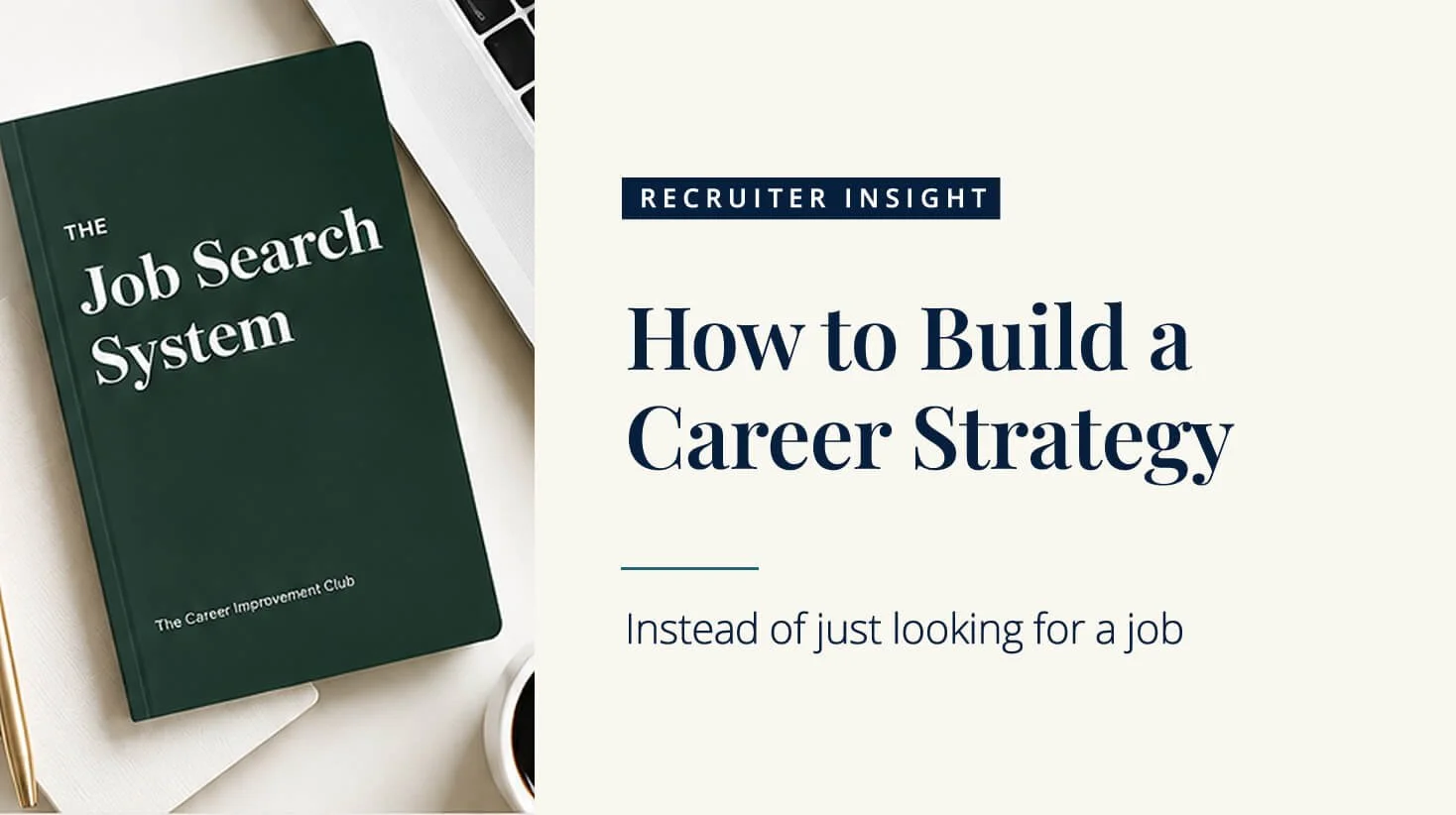
When you think about your career, it is easy to focus only on finding the next job. However, a strong career is built through more than short-term opportunities. You need a strategy that helps you understand your strengths, explore your goals, and make choices that move you closer to the future you want.
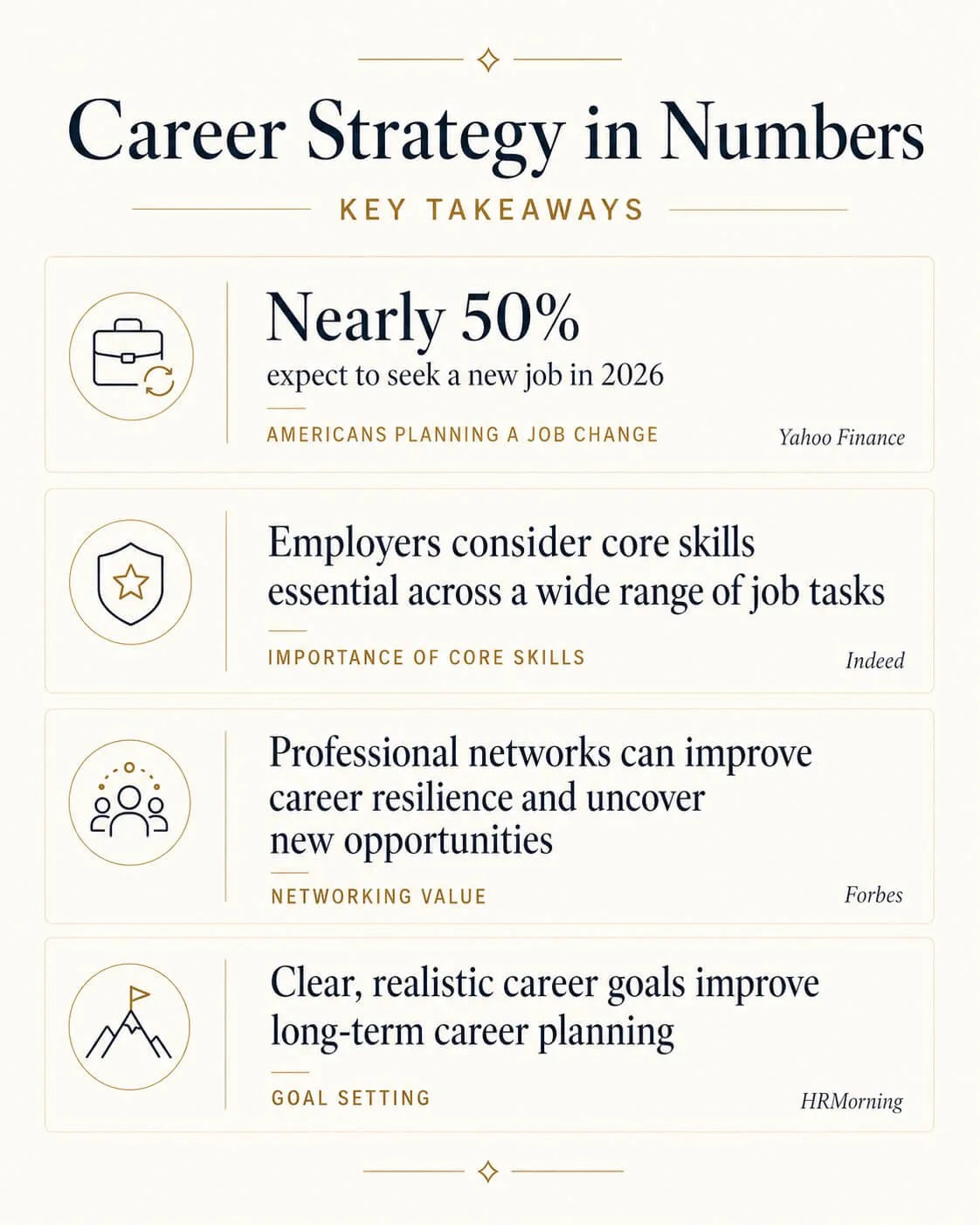
According to Yahoo Finance, almost half of the American workforce is looking to change jobs by 2026. "This feels like a reset moment on both sides," Dawn Fay, operational president of Robert Half, told Yahoo Finance. "People are taking a step back and asking whether their current role still lines up with where they want to go."
The statement highlights how crucial strategic planning is for shaping a successful career. Building a career strategy gives you confidence because you are creating a path that supports your success and growth. This article explores effective strategies for crafting a solid career plan rather than simply hunting for a job.
QUICK ANSWER
Building a career strategy means thinking beyond your next job application. Instead of reacting to vacancies, you create a plan based on your strengths, goals, skills gaps, learning needs and professional network.
To build a stronger career strategy:
Understand your core skills and where they create value
Set clear career goals that guide your decisions
Identify the skills or qualifications you may need next
Build a habit of regular upskilling
Network before you urgently need a new role
Research industries, employers and long-term opportunities
Review your progress regularly and adjust your plan
Treat your career as a long-term project, not just a job search
👉 If you want a structured way to work through this decision, the Career Development Plan Template helps you review your goals, identify skill gaps and create a clearer plan for your next move.
WHATS INCLUDED:
In this guide, we’ll cover:
How to assess your core skills
Why strategic career goals matter
How to plan for upskilling and future opportunities
Why networking should be part of your career strategy
How to move from short-term job searching to long-term career planning
Practical questions to help you make better career decisions
Assess Your Core Skills
Before you plan your next career move, you need to understand what you already bring to the table. Indeed states that core skills are the essential abilities that employers deem necessary for candidates to handle a range of job tasks. Recognizing the value of these skills and the advantages they bring in the workplace, you can take steps to cultivate them. These skills enhance your likelihood of being hired.
Assessing your core skills helps you identify your strengths, areas of expertise, and the qualities that make you valuable to employers. Look beyond your technical abilities and consider your communication skills, problem-solving approach, and adaptability. Ask yourself what tasks you enjoy, where you perform well, and what feedback you often receive from others.
Once you have a clear picture of your skills, you can make better career decisions. You can identify roles that match your abilities and focus on improving areas that support your long-term goals. A career strategy becomes stronger when you know your value and understand how your skills can create opportunities for future growth.
ACTIONABLE TIP
Create three simple lists:
Skills I use confidently
Skills I enjoy using
Skills employers regularly ask for in my target roles
The overlap between these lists can help reveal your strongest career direction.
👉 If you are reviewing your strengths, this guide explains what skills to include in your CV, including transferable skills, soft skills and role-specific examples.
Set Strategic Goals
Creating a successful career strategy requires you to set clear and meaningful goals. According to HRMorning, when it comes to your career, it is important to keep setting goals. However, one of the toughest hurdles is figuring out how to set goals that are both realistic and achievable. This can make or break your journey, as the right goals can lead to success, while the wrong ones can leave you feeling frustrated.
Moreover, your personality and values should shape the role you choose. People who want to build meaningful careers may choose healthcare or social work. You may consider earning speech pathology credentials to help people struggling with communicative disorders. An online speech-language pathologist degree is a good option for people who want to transition without a career break.
According to DeSales University, the degree prepares you to work in diverse settings, such as clinics, hospitals, schools, and workplaces. Instead of only focusing on getting your next job, think about where you want to be and what steps can help you reach that position. When you have a clear direction, it becomes easier to make decisions that support your long-term success.
Good career goals should be specific enough to guide your choices, but flexible enough to adapt as your circumstances change.
A vague goal such as “I want a better job” is difficult to act on. A stronger goal might be “I want to move into a people management role within two years” or “I want to transition into healthcare support while keeping enough flexibility to study”.
Clear goals help you decide which roles, courses, connections and opportunities deserve your attention.
ACTIONABLE TIP
Set one goal for each timeframe:
Next 3 months
Next 12 months
Next 3 years
For each goal, write down the skill, experience or action that would move you closer to it.
👉 If you want a structured way to map out your next move, the Career Development Plan Template helps you clarify your goals, identify skill gaps and build a practical plan for long-term career growth.
Plan for Upskilling
A strong career strategy requires you to keep learning and improving your skills over time. Industries continue to change, and the abilities that are valuable today may need to evolve in the future. Planning for upskilling helps you stay prepared for new opportunities and makes you more confident in your career decisions.
You can start by identifying the skills important for your desired roles. Additionally, find ways to develop them through courses, practice, projects, or mentorship. For healthcare professionals, career advancement often involves expanding expertise and exploring new pathways. If you are planning your professional growth, pursuing a specialization can help you develop advanced skills.
Investing in education and continuous improvement creates a career strategy that opens doors and supports your future success. Upskilling is not only about adding more skills to your resume. It is about becoming better equipped to achieve your career goals. When you consistently invest in your growth, you create more options for yourself and stay ahead in a competitive job market.
ACTIONABLE TIP
Review five job adverts for your target role and note the skills or qualifications that appear repeatedly.
Then mark each one as:
Already strong
Needs better evidence
Needs development
This gives you a practical skills gap plan rather than a vague sense that you need to “learn more”.
👉 If you are thinking about future skills and changing job demands, this guide explains how to choose a future-proof career in the AI era.
Network Continuously
A successful career strategy depends on building and maintaining meaningful professional relationships. Forbes notes that your network can be your greatest career asset. Building relationships is an essential safety net for your career. These connections offer guidance, open doors to new opportunities, and help you bounce back when life throws you a curveball.
Networking is an ongoing process that helps you learn, grow, and discover new opportunities. You can connect with people in your industry, engage in professional communities, attend events, and stay in touch with former colleagues or mentors. These relationships can provide valuable insights and support throughout your career journey.
When you keep networking, you build a solid professional base and get a heads-up on opportunities before they hit the mainstream. Genuine connections are built through sharing knowledge, offering support, and showing interest in others.
A strong career strategy should include relationships, not just applications.
Many opportunities come through conversations, recommendations, referrals and informal visibility. If people understand what you do, what you are aiming for and where you can add value, they are more likely to think of you when opportunities appear.
Networking should not be something you only do when you need a job. It should be a steady part of career development.
ACTIONABLE TIP
Each week, take one small networking action:
Reconnect with an old colleague
Comment thoughtfully on a useful LinkedIn post
Message someone in a role you admire
Ask a former manager for advice
Follow companies you may want to work for
Share a useful insight from your field
Small, consistent actions make your network stronger over time.
👉 If you want to find opportunities beyond public job boards, this guide explains how to access the hidden job market.
How to Turn a Job Search Into a Career Strategy
If your job search feels reactive, start by stepping back.
Instead of only asking “what jobs can I apply for?”, ask “what direction am I trying to build?”. Once you know that, you can choose roles more carefully, tailor your CV more effectively and invest in skills that support your long-term goals.
A career strategy helps you avoid drifting from one role to the next. It gives your decisions a clearer purpose.
Frequently Asked Questions
How to create a career development plan?
Creating a career development plan starts with understanding your goals, strengths, and areas for improvement. Identify the skills you need, set realistic milestones, and explore learning opportunities that support your growth. Review your progress regularly and adjust your plan as your interests, industry trends, and career opportunities change over time.
When should you consider a career transition?
You should consider a career transition when your current role no longer aligns with your goals, values, or interests. You can also consider a change when you want new challenges, better growth, or opportunities to use your skills differently. You must always reflect on your priorities before deciding.
What are the career mistakes beginners should avoid?
Beginners should avoid rushing into decisions, ignoring skill development, and failing to build professional relationships. Do not compare your progress with others or overlook the value of gaining experience. You must avoid staying in a role without learning or growth opportunities. Focus on building skills, seeking feedback, and making thoughtful career choices.
What is the difference between a job search and a career strategy?
A job search focuses on finding your next role. A career strategy looks at the bigger picture, including your skills, goals, values, development needs and long-term direction. A job search helps you move now. A career strategy helps you move with purpose.
How often should I review my career strategy?
It is worth reviewing your career strategy every three to six months, or whenever something significant changes in your work, industry or personal life. Regular reviews help you stay aligned with your goals and adjust before you feel stuck.
Do I need a career strategy if I am happy in my current job?
Yes, because a career strategy is not only for people who want to leave. It can help you grow in your current role, prepare for future opportunities, identify skills gaps and make sure you are not relying on your current job to provide all your career security.
Key Takeaways in Stats:
Building a career strategy helps you approach your professional journey with more purpose and confidence. Instead of reacting to every opportunity, you can make choices that support the future you want to create.
A thoughtful approach allows you to stay focused, prepared, and open to possibilities that match your aspirations. Your career is a continuous journey, and every decision you make can help shape the direction you want to take.
A strong career strategy gives you more control. It does not guarantee that every opportunity will work out, but it helps you make better decisions and avoid wasting energy on roles that do not fit.
When you know your strengths, understand your goals and keep developing the right skills, your job search becomes more focused. You are no longer just looking for a job. You are building a career with direction.
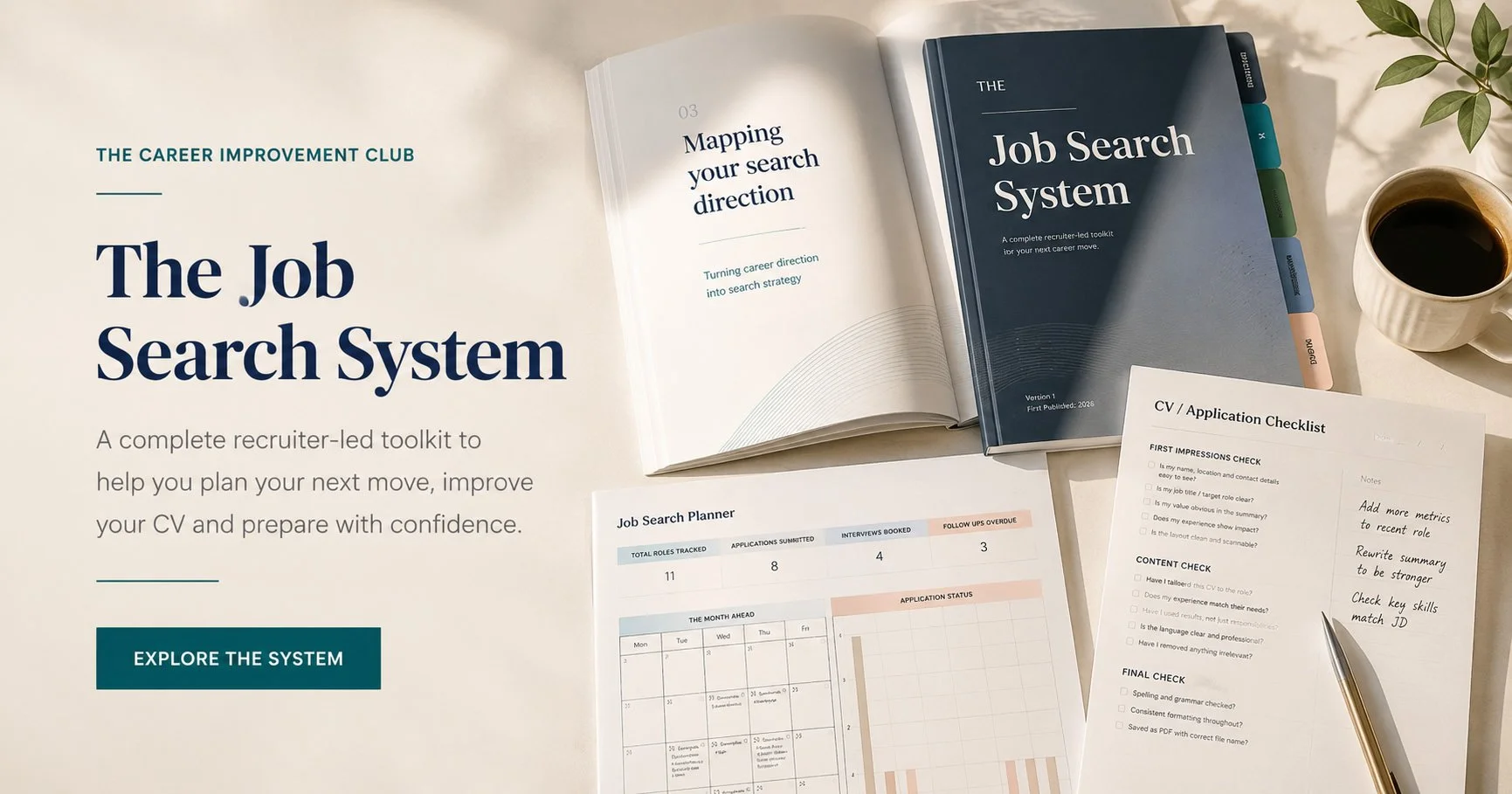
👉 If you are ready to organise your next move properly, explore The Job Search System, a complete toolkit designed to help you plan, track and improve your job search.
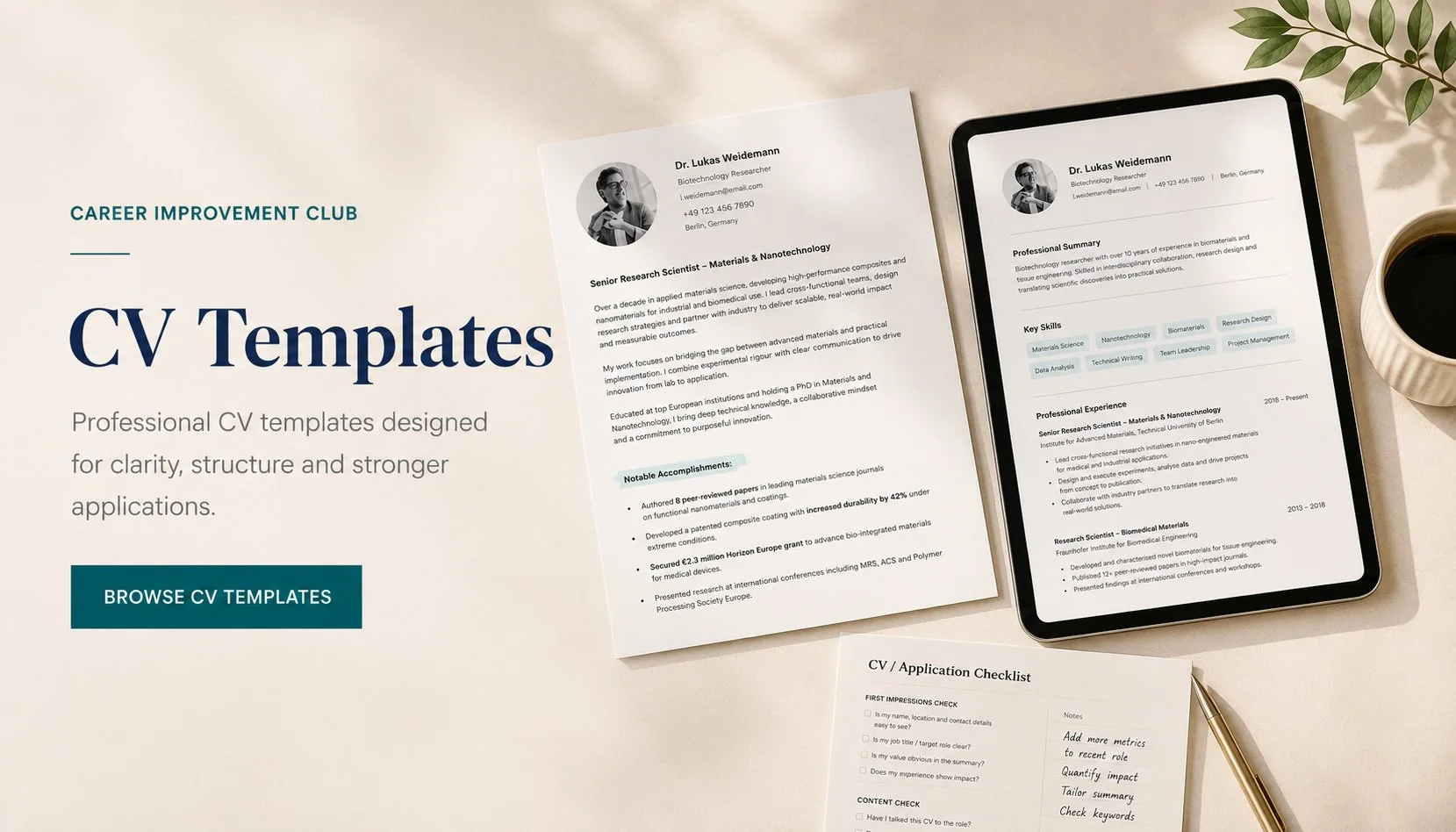
👉 If you are ready to update your applications for your next move, browse our CV templates and job search tools to create a clearer, more focused application.