

A career in social work can guarantee you an exciting and challenging professional experience. It is also a rewarding profession, especially when you consider how much social workers earn in the US.
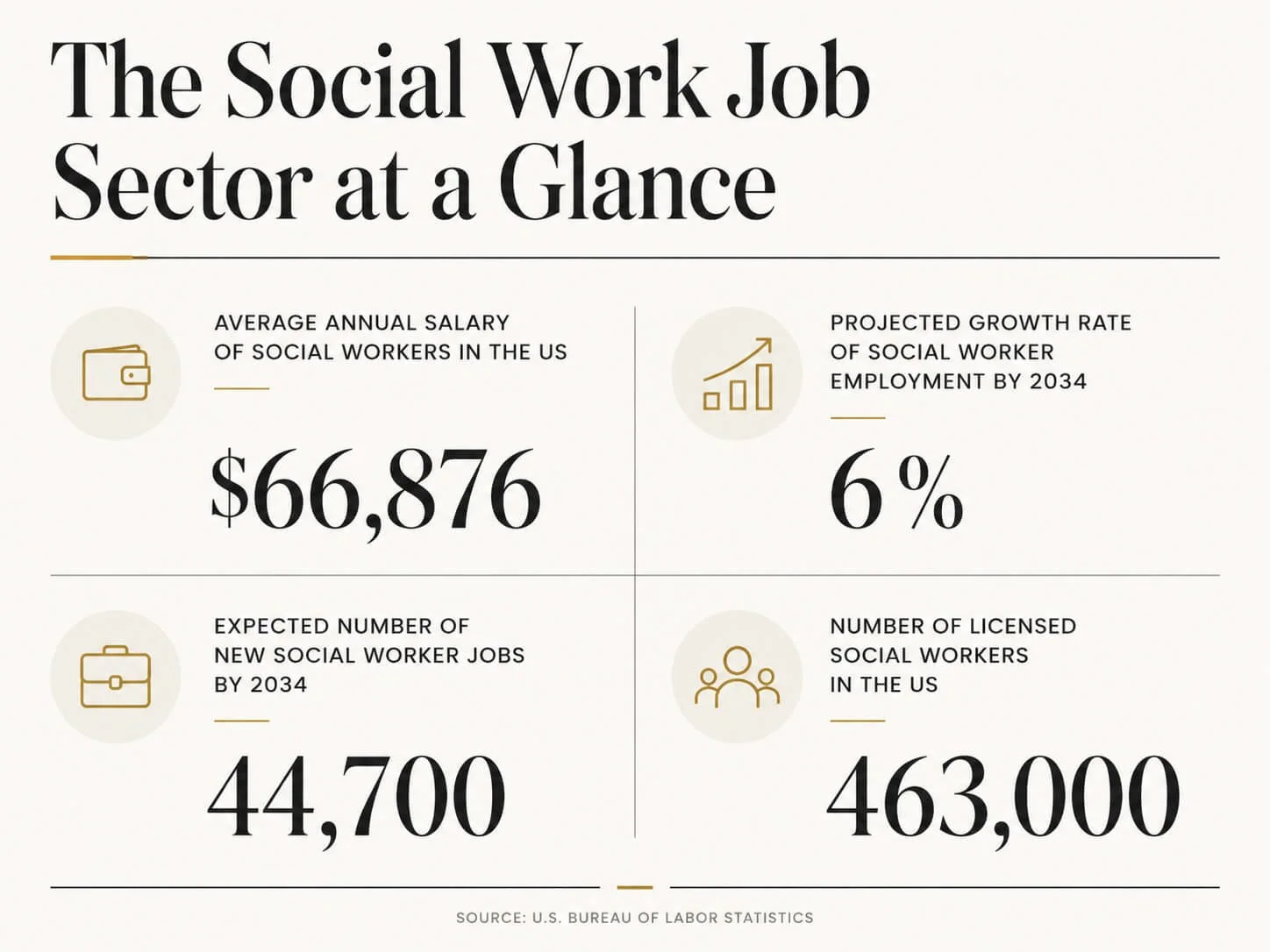
According to Indeed, social workers in the country earn an average annual salary of $66,876. States like California, Texas, and New York provide some of the highest salaries. Higher wages typically reflect the state's cost of living and specialized roles.
However, many aspiring professionals enter this field not because of the high salaries but because they genuinely want to help others. And while this sort of passion is essential, it is not always enough to secure the position you truly want.
Employers often look for candidates who combine compassion with strong qualifications, practical experience, and professional skills. Here are a few practical tips that can help you land your dream job as an aspiring social worker.
Gain Meaningful Hands-On Experience Early
One of the best ways to prepare for a successful social work career is by gaining practical experience as early as possible. Classroom learning provides a strong foundation, but employers also want to see evidence that you can apply those concepts in real situations.
This is even more important right now as, like you, many are considering a career in social work. According to the US Bureau of Labor Statistics, by 2034, employment in the social worker sector is set to increase by a faster-than-average 6%. This growth rate will result in an increase of 44,700 new jobs.
The rising demand shows strong and expanding opportunities for professionals in this field, but it also means more competition. Hence, you need to stand out, and what better way to do so than by having hands-on experience in social work?
Volunteer opportunities, internships, and outreach programs build valuable experience before you enter the workforce. Working directly with families helps you develop strong communication and problem-solving skills.
These experiences build your professional confidence. Plus, such early exposure can help you identify the career path or specialization that feels most rewarding and aligned with your goals.
As you gain experience, make a note of the practical examples and skills to include in your CV, especially around communication, safeguarding, problem-solving and case management. Also, use your job application to connect your experience with your motivation, and write a strong cover letter that explains why this path matters to you.
Invest in Higher Education to Expand Your Opportunities
Continuing your education can significantly improve your career prospects in social work. While entry-level positions may only require a bachelor's degree, many specialized and leadership roles prefer candidates with advanced qualifications.
The Association of Social Work Boards reports that the US has about 463,000 licensed social workers. Most of these social workers hold a Master of Social Work (MSW) degree and work in diverse health and social service settings.
Earning a graduate degree can help you gain deeper knowledge, strengthen your professional skills, and qualify for positions with greater responsibility and earning potential.
For many aspiring professionals, online programs provide an excellent pathway toward career advancement. An online Advanced Standing MSW degree can offer the convenience needed to balance work, family, and academic commitments. Many Advanced Standing MSW programs online are designed for students who already hold a bachelor's degree in social work.
Cleveland State University notes that such advanced standing online programs allow you to complete advanced degrees more efficiently. Through high-quality online learning environments, students can develop critical social work skills while benefiting from flexibility that supports their personal and professional responsibilities.
Build a Strong Professional Network
Networking remains one of the most effective ways to uncover career opportunities in any industry. In social work, professional relationships can provide valuable guidance, mentorship, and job leads that may not be publicly advertised.
Building a strong network takes time, but the effort often produces long-term benefits throughout your career. Attend workshops, conferences, and community events whenever possible. Connect with professors, supervisors, classmates, and experienced professionals in your field.
Maintaining these relationships can help you stay informed about industry developments and potential openings.
Develop Excellent Communication Skills
Communication coach Vinh Giang notes that mastering communication ensures your true value is recognized. Never neglect this ability. It is an essential human skill for everyone. Excellent communication skills are vital in all types of professions, and social work is no exception.
Clear and compassionate communication is the heart of effective social work practice. Social workers regularly interact with clients, families, healthcare providers, and educators. They also collaborate closely with community organizations. Expressing yourself clearly builds deep trust with clients.
Improving your communication skills requires ongoing practice and self-awareness. Focus on active listening, thoughtful responses, and professional written communication. Learning how to adapt your approach for different audiences is equally important.
Strong communicators often stand out during interviews (especially when you make the time to prepare properly for an interview) because they demonstrate confidence, empathy, and professionalism. These qualities are highly valued by employers across every area of social work practice.
FAQs
What motivates one to work as a social worker?
Many people are motivated to become social workers because they want to support vulnerable individuals and improve community wellbeing. A strong sense of empathy, justice, and commitment to helping others often drives this career choice. Personal experiences, volunteer work, and a desire for meaningful impact also influence motivation.
What kind of tasks do social workers have to do?
Social workers handle tasks such as assessing client needs, providing counseling support, and connecting people with community resources. They also advocate for clients in legal, healthcare, or educational systems and maintain detailed case documentation. Additional responsibilities include crisis intervention, care planning, and coordinating services with other professionals.
Are social workers required to have any technical skills?
Yes, social workers need technical skills like case management software, digital record keeping, and data reporting systems. They also use communication tools for virtual counseling and coordination with agencies and organizations. Strong digital literacy helps them manage documentation, access resources, and improve efficiency in service delivery.
The Social Work Job Sector at a Glance
Landing your dream job as a social worker requires more than good intentions and a desire to help others. Success often comes from combining education, hands-on experience, and strong communication skills. Each step you take toward strengthening your qualifications increases your ability to stand out in a competitive job market.
The journey may require dedication and patience, but the rewards can be incredibly fulfilling. With the right preparation and mindset, you can find a social work role that allows you to make a lasting difference while building a career you truly enjoy.