
Career progression is something most professionals want, but moving into a more senior role is not always straightforward. You might enjoy your job but feel unsure about taking on more responsibility. Perhaps the next step requires skills you haven't developed yet, or the management role above you simply doesn't appeal.
Sometimes, the opportunity isn't even there. According to Gallup's 2025 research, one in four US employees report having no opportunities for promotion or career advancement. Although 63% say their organisation offers opportunities to progress, access is far from equal.
These findings raise an interesting question. If the traditional route upwards is difficult, unavailable or simply unappealing, does that mean your career has stopped progressing? Not necessarily.
Career growth can involve developing specialist skills, moving into a different department, taking ownership of projects or preparing yourself for opportunities that aren't available yet.
The important thing is understanding what you want from your next move and finding a realistic way to get there.
QUICK ANSWER
If a promotion feels out of reach, you can still progress your career by developing new skills, gaining relevant experience and exploring opportunities beyond traditional management roles.
How to keep your career moving forwards:
Identify what makes the next promotion feel challenging
Separate genuine skills gaps from a lack of confidence
Explore specialist roles, lateral moves and project opportunities
Develop the leadership or technical skills your next role requires
Speak to your manager about progression expectations
Build evidence that demonstrates your readiness
Consider whether a different employer could offer better opportunities
Create a career development plan with clear, achievable goals
Career progression should improve your working life, not simply give you a more impressive job title.
WHAT’S INCLUDED
In this guide, we’ll cover:
Why the next career step can feel difficult
How to identify the skills needed for promotion
Ways to progress without becoming a manager
How to use upskilling to prepare for greater responsibility
Questions to ask your manager about career development
How to build a practical plan for your next move
Key statistics on employee progression and development
Understand What Makes the Next Step Challenging
Before deciding that a promotion is too difficult, work out what is actually putting you off. For some professionals, the challenge is practical. They may need stronger technical knowledge, experience managing people or a better understanding of commercial decisions.
For others it’s purely confidence, you might be perfectly capable of taking on more responsibility but feel uncomfortable moving away from work you know well.
There is also a third possibility. You may simply not want the job. A talented engineer, designer or analyst may enjoy their specialist work but have little interest in managing a department. Becoming a manager isn't automatically the right reward for being good at something.
In an April 2026 Business Insider article, former Amazon VP and executive coach Ethan Evans explained how the skills required for progression change as professionals become more senior.
Technical ability and hard work can help someone progress early in their career. Higher positions often require stronger communication, delegation, judgement and leadership.
Being good at your current job does not automatically mean you are prepared for the next one. Equally, feeling unprepared does not mean you are incapable of getting there.
👉 If you are unsure whether the issue is your role, employer or wider career path, this guide explains when to search for a new job.
ACTIONABLE TIP
5 areas to considerLook at these 5 areas:
Technical skills: What additional knowledge would you need?
People management: Would you be responsible for leading others?
Decision-making: What decisions would you be expected to make independently?
Accountability: Would you manage budgets, performance or business outcomes?
Lifestyle: Would the role involve longer hours, travel or greater pressure?
Then ask yourself:
Which of these challenges could I prepare for, and which would I genuinely prefer to avoid?
Your answers can help you separate a skills gap from a role that simply isn't right for you.
👉 If your next step involves managing people or taking on senior responsibilities, this guide explains how to build strategic leadership skills.
Explore Career Growth Beyond Traditional Promotions
Not every career needs to follow the same path. You might start in an entry-level position, move into a senior role, become a manager and eventually lead a department. That is one route, but it is not the only one.
In some professions, becoming a specialist can be just as rewarding as moving into management. For example, a marketing executive might develop expertise in data analytics or marketing automation rather than becoming a marketing manager.
An experienced software developer might move into technical architecture rather than leading a team.
An HR professional might specialise in employment law, reward or organisational development.
Each move could improve their skills, professional value and future opportunities without requiring a traditional promotion. A lateral move can also be useful.
Moving into another department at the same level may expose you to different systems, responsibilities and colleagues. You might not receive an immediate salary increase, but the experience could make you a stronger candidate for future opportunities.
Cross-functional projects offer similar benefits. They give you the chance to work with people outside your usual team, understand different business priorities and demonstrate capabilities your current role may not fully use.
The key is to assess opportunities by what they offer, rather than the title attached to them.
ACTIONABLE TIP
When considering a potential career move, ask:
Will I learn something valuable?
Will this improve my future earning potential?
Will I develop skills that other employers need?
Will it give me greater responsibility or independence?
Does it move me closer to the type of work I want?
A move that improves several of these areas may still represent progress, even without a promotion.
Use Upskilling to Bridge the Gap
Sometimes the difference between your current position and the next one comes down to a relatively small number of skills. Perhaps you have plenty of industry experience but lack confidence managing people. You might understand your department's work but have limited exposure to budgets, reporting or strategic planning.
Rather than collecting qualifications at random, start by identifying the requirements of the role you want. Look at current job descriptions. Speak to people already doing the job. Ask your manager what experience would help you progress.
Then choose training that addresses those specific gaps.
This might include:
Leadership and management training
Technical certifications
Project management qualifications
Financial or commercial training
Digital and AI skills
Communication and presentation skills
Formal education in a specialist field
Formal education can also support a more substantial career change. For example, someone interested in moving into clinical communication support might explore an online master’s in speech-language pathology.
Thiel College's programme combines online coursework with supervised clinical training. However, entering a regulated profession involves a different level of commitment from preparing for an internal promotion. It is important to check entry requirements, accreditation, clinical placement commitments and professional registration requirements before applying.
Whatever training route you choose, practical experience matters. A qualification might give you knowledge, but being able to demonstrate that knowledge at work can make a stronger case for progression.
ACTIONABLE TIP
Review five job adverts for positions that you want and then create three lists:
Already have: Skills and experience you can demonstrate confidently.
Need better evidence: Skills you possess but haven't had many opportunities to demonstrate.
Need to develop: Qualifications, experience or knowledge you genuinely lack.
Concentrate on the final two lists. They will give you a much clearer development plan than simply signing up for another course.
👉 For additional career guidance, our career development planning tool helps to structure your progression.
Have an Honest Conversation With Your Manager
If you're unsure whether you're ready for a promotion, one of the most useful things you can do is ask. Too many professionals make assumptions about what their employer expects. They assume they need another qualification, more experience or a certain number of years in their current role. Sometimes those assumptions are correct. Sometimes they're not.
A conversation with your manager can help remove the guesswork. In a May 2026 Forbes article, career expert Sho Dewan explains why asking thoughtful questions about future responsibilities and skill requirements can improve career development conversations.
Rather than simply asking when you might be promoted, try to understand what the next level actually involves. Ask where you need to improve, what experience you should gain and how your progress will be measured. These conversations can also reveal something important about your employer.
A supportive manager should be able to explain what development opportunities exist, even if an immediate promotion isn't available. If the answers are consistently vague, there is no training support or progression never seems to materialise, you may need to consider whether the organisation can support your ambitions.
ACTIONABLE TIP
Prepare these five questions for your next development conversation:
What skills or experience would I need to progress into the next role?
Where do you think I currently fall short of those requirements?
Are there projects or responsibilities I could take on to gain experience?
What would you need to see from me over the next six months?
If a promotion isn't currently possible, what other development opportunities are available?
After the meeting, agree on two or three measurable development goals and arrange a follow-up conversation to review progress.
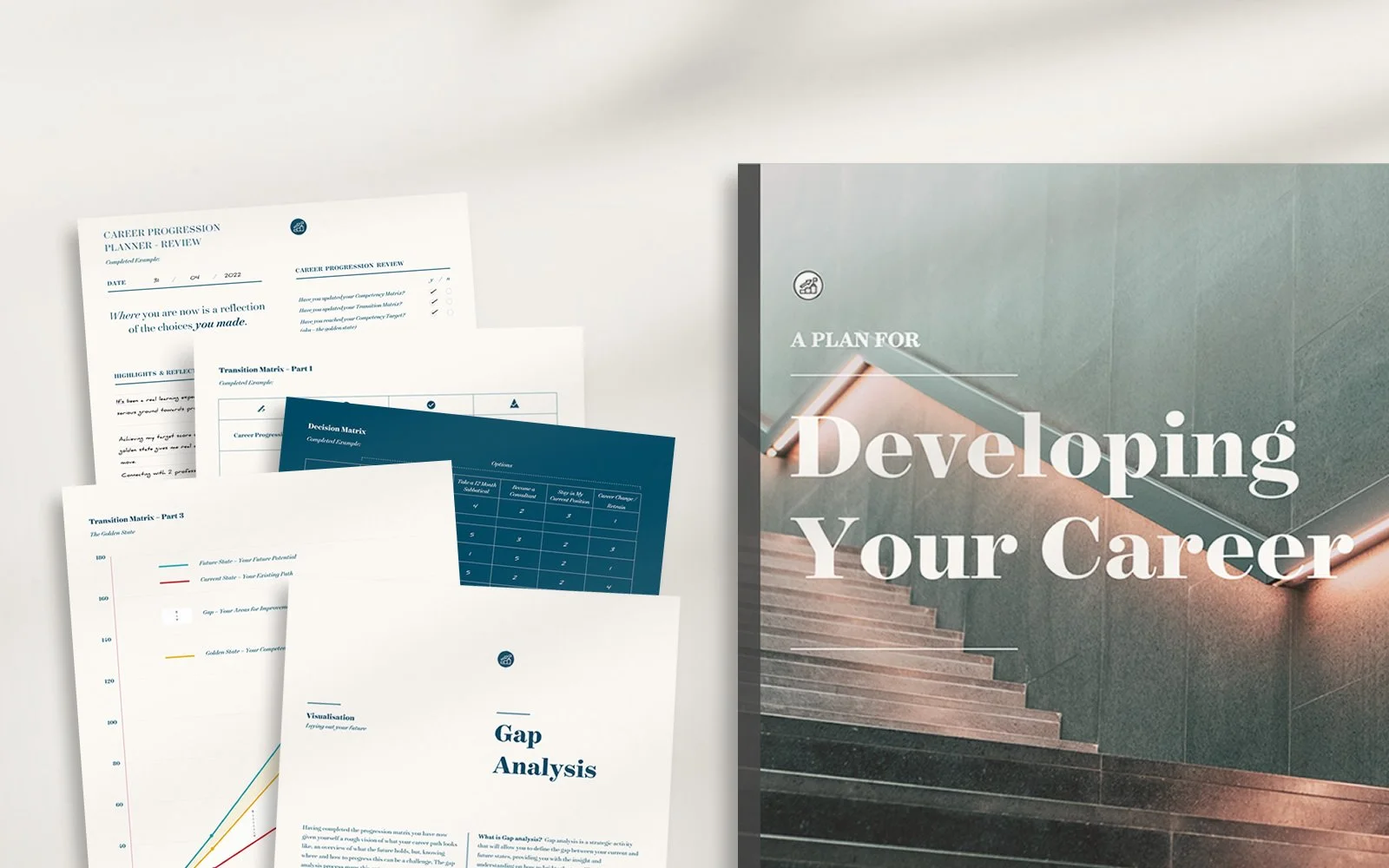
A clear career plan makes all the difference.
Build a Career Development Plan
Understanding your options is useful, but it won't achieve much unless you act on them. A career development plan helps turn ideas into practical steps.
Start by identifying where you want to be over the next 12 months. That might involve moving into management, developing specialist expertise, earning a qualification or finding an employer that offers better progression. Then work backwards.
What skills will you need? What experience is missing? Who could support you? What can you realistically achieve while managing your current workload and personal responsibilities? You don't need to map out the next ten years.
A focused plan for the next three to twelve months can be enough to create meaningful progress.
ACTIONABLE TIP
Build a simple 90-day career development plan.
First 30 days: Identify your target role, assess your current skills and speak to your manager.
Next 30 days: Start developing one priority skill and look for a practical opportunity to use it.
Final 30 days: Review what you've learned, document your achievements and decide on your next step.
Repeat the process as your experience and priorities develop.
👉 If you'd like a structured way to approach this, our Career Development Plan Template includes practical planning tools, competency assessments and progress trackers to help you move forward.
Know When to Look Beyond Your Current Employer
There is a difference between finding promotion difficult and having no realistic opportunity to progress. If your employer offers training, feedback and genuine development opportunities, staying put while you strengthen your skills may be a sensible decision.
However, if you've repeatedly demonstrated your ability, taken on additional responsibilities and asked about progression without receiving a clear answer, the problem may not be your readiness, it may be the organisation.
Smaller businesses can have limited management structures. Larger organisations may have complicated promotion processes or restricted budgets. Sometimes, the only way to achieve the progression you want is to look elsewhere. That doesn't mean resigning immediately. You can research the market, understand what other employers offer and start preparing your CV while remaining in your current role.
ACTIONABLE TIP
Before deciding to leave, compare three things:
Your current development opportunities
The progression available with other employers
The skills and experience required to make a successful move
If you discover that other employers offer clearer progression, better development or more suitable responsibilities, you will have evidence to support your decision.
👉 If you are starting to question whether your current employer can offer what you need, this guide explains when to search for a new job.
Frequently Asked Questions
What should I do if I feel unprepared for a promotion?
Start by identifying which aspects of the next role concern you. These might include people management, technical knowledge, decision-making or increased responsibility.
Speak to your manager or a trusted mentor for feedback, then create a development plan around the skills you need. Taking on smaller projects or additional responsibilities can help you build confidence before moving into a more senior position.
Can I progress my career without becoming a manager?
Yes. Many professions offer specialist, technical and advisory career paths that don't require people management. You can also progress through lateral moves, additional qualifications, project leadership or greater professional responsibility.
The right route depends on your strengths, interests and long-term goals.
How can upskilling improve my promotion prospects?
Upskilling helps you develop the knowledge and abilities required for more senior responsibilities. The most useful training is directly connected to the role you want.
Employers will also want evidence that you can apply those skills, so look for opportunities to demonstrate what you've learned through projects and practical responsibilities.
Should I accept a promotion if I don't feel ready?
Not necessarily. Feeling nervous about a new challenge is normal, but you should understand the responsibilities, expectations and support available before accepting.
Ask what training you'll receive, how success will be measured and whether the role fits your career and personal priorities.
You don't have to accept every promotion simply because it's offered.
What if my employer has no opportunities for promotion?
Look at whether there are other ways to develop within the organisation, including specialist responsibilities, cross-functional work or formal training.
If those opportunities are also limited, researching roles with other employers may be worthwhile.
Is a lateral career move a step backwards?
Not necessarily. A lateral move can help you develop skills, gain industry knowledge and access opportunities that may not exist in your current role.
However, assess the salary, responsibilities, development opportunities and future progression before deciding whether it is the right move.
Career Progression in Numbers
Source: Gallup, American Job Quality Study (2025) . Figures relate to surveyed US employees.
Career Progression Doesn’t Have to Mean a Promotion
Career growth is personal. What feels like progress to one person may not appeal to someone else. A promotion might bring better pay and greater responsibility, but it can also mean longer hours, additional pressure and moving away from work you genuinely enjoy. There is nothing wrong with deciding that management isn't for you.
Equally, if you're keen to progress but lack confidence or experience, those challenges don't have to be permanent barriers. Take time to understand what you want, develop the skills that matter and explore the opportunities available.
The aim isn't simply to reach the next rung of the ladder. It's to build a career that continues to work for you.
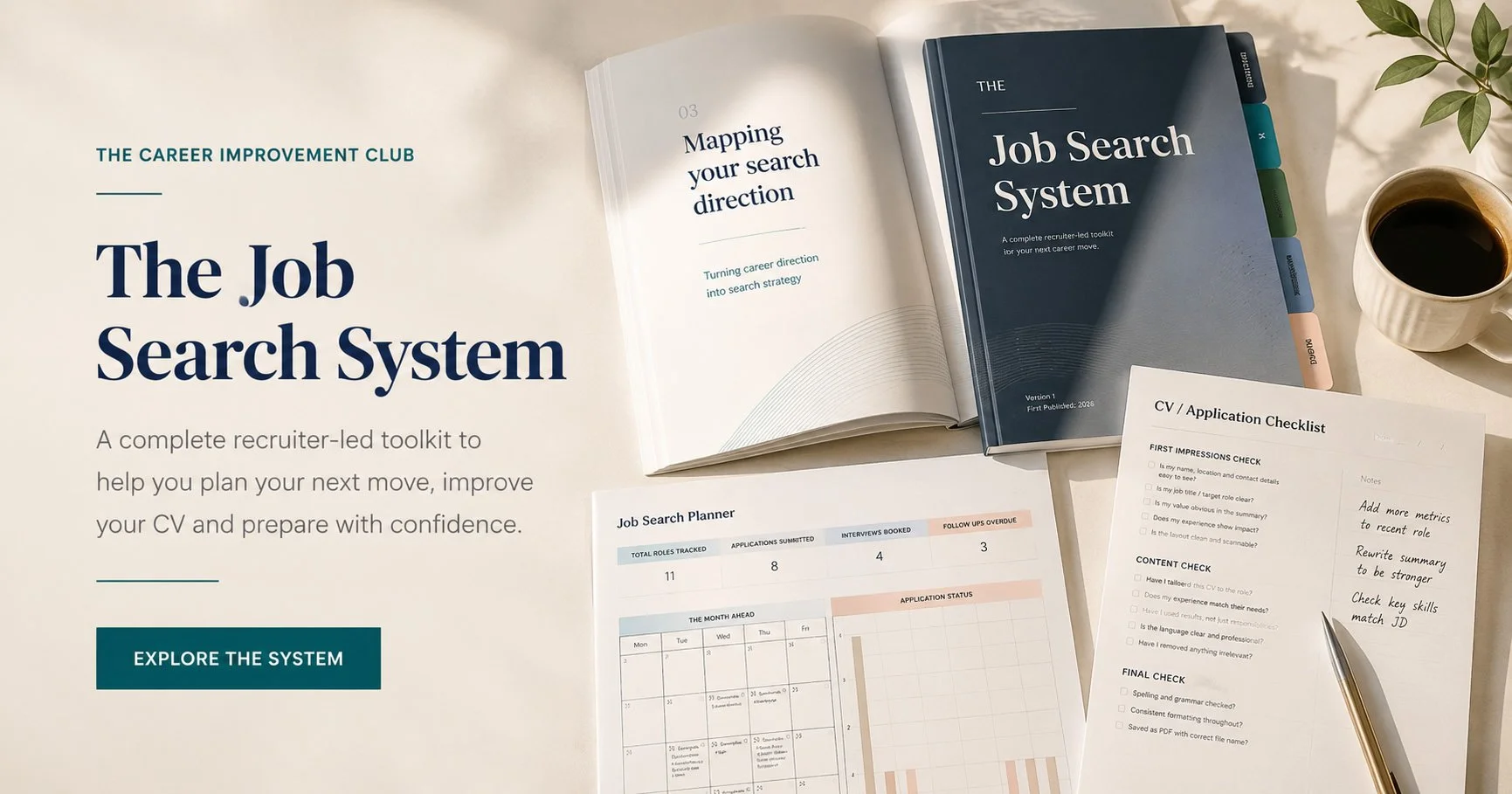
👉 If you're ready to plan your next step, explore the Career Development Plan Template or our complete job search system to start turning your career goals into a practical plan.